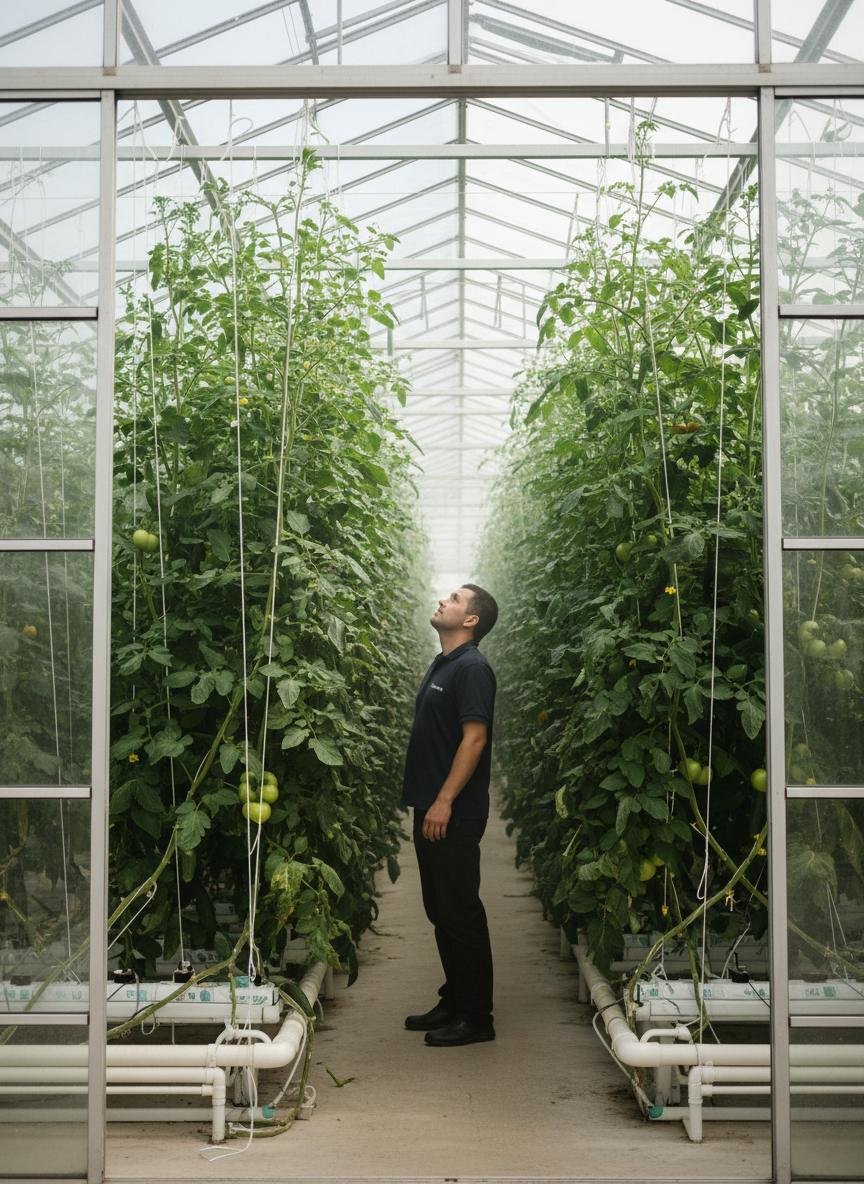
The savings model
What Changes in Purchasing
Growing specialty produce on the property does not add a line to the budget — it takes one off the purchase order, and takes the losses with it. Here is exactly where that happens, and why the size of it is built with you rather than quoted from an average.
Bought in vs grown on site
Four things change at once
What the kitchen orders in, what is lost before it reaches a plate, who decides which varieties are available, and how the produce was grown. The financial weight of each depends on what you pay today — which is why we quote nothing here and build the numbers from your invoices instead.
| What changes | TodayToday (bought in) | On-siteOn-site (Urban Ponics) |
|---|---|---|
| What you buy in | Herbs, leaves, edible flowers and specialty vegetables ordered from importers | A share of that list is grown on the property and leaves the purchase orderWhich share depends on your menu and the size of the ecosystem — that is the crop plan, not an average. |
| What you throw away | Spoilage in transit, rejected deliveries, stock that wilts before service | Cut to order, minutes before service, so produce is not stored to be lostThe reduction is real but property-specific; we do not publish a percentage we cannot evidence. |
| What you can actually get | The kitchen serves what the importer has in stock that week | The crop plan is set by your kitchen, and the same varieties are available all yearThis is the part chefs notice first: availability stops being someone else’s decision. |
| How it is grown | Variable quality, several days old on arrival, grown to someone else’s standard | Harvested the same day and grown without pesticides on NACARAlso what makes the produce usable as a guest-facing story rather than a back-of-house saving. |
What this model claims
- · This is the mechanism, not a quotation — it describes where the money moves, not how much
- · The size of the saving depends on what you pay for produce today, which is why every project gets its own case
- · Staples are not replaced: the model covers specialty produce, the expensive and hard-to-import part of the order
- · We build the numbers with you from your own produce invoices
Send us your produce invoices and we build the comparison on your numbers, for your property and your menu.
Food miles
The journey an ingredient makes
Imported
Six steps, several days
- Grownon another continent
- Truckedto a packing house
- Cold storedwaiting for a load
- Flown or shippedplus customs
- Trucked againto the distributor
- Plateddays after cutting
Greenhouse to plate
Two steps, the same day
- Grownon the property
- Platedthe same day it is cut
The distance is a walk across the property, so there is no cold chain to pay for and nothing to lose on the way.
Handling steps, not distances: the kilometres depend on your property and your supplier, so we work them out with you rather than publishing an average.
Where the return comes from
A food ecosystem doesn’t earn in one way — it earns in four, at the same time.
Replaced Imports
Every kilogram harvested on-site is food you no longer buy, ship, refrigerate or write off. On island and remote sites, where freight can triple food costs, this stream alone can carry the investment.
Premium Revenue
Farm-to-table menus, ecosystem tours, tastings and chef experiences command a premium — turning the ecosystem from a cost centre into an attraction guests pay for.
Asset & Project Value
For developments and communities, a productive ecosystem is a differentiator competitors can’t copy — driving faster sales, real-estate premiums and stronger resident retention.
ESG & Brand Returns
95% of water recirculated, local production and a measurably lower carbon footprint feed directly into ESG reporting, certifications and the sustainability story your brand tells.
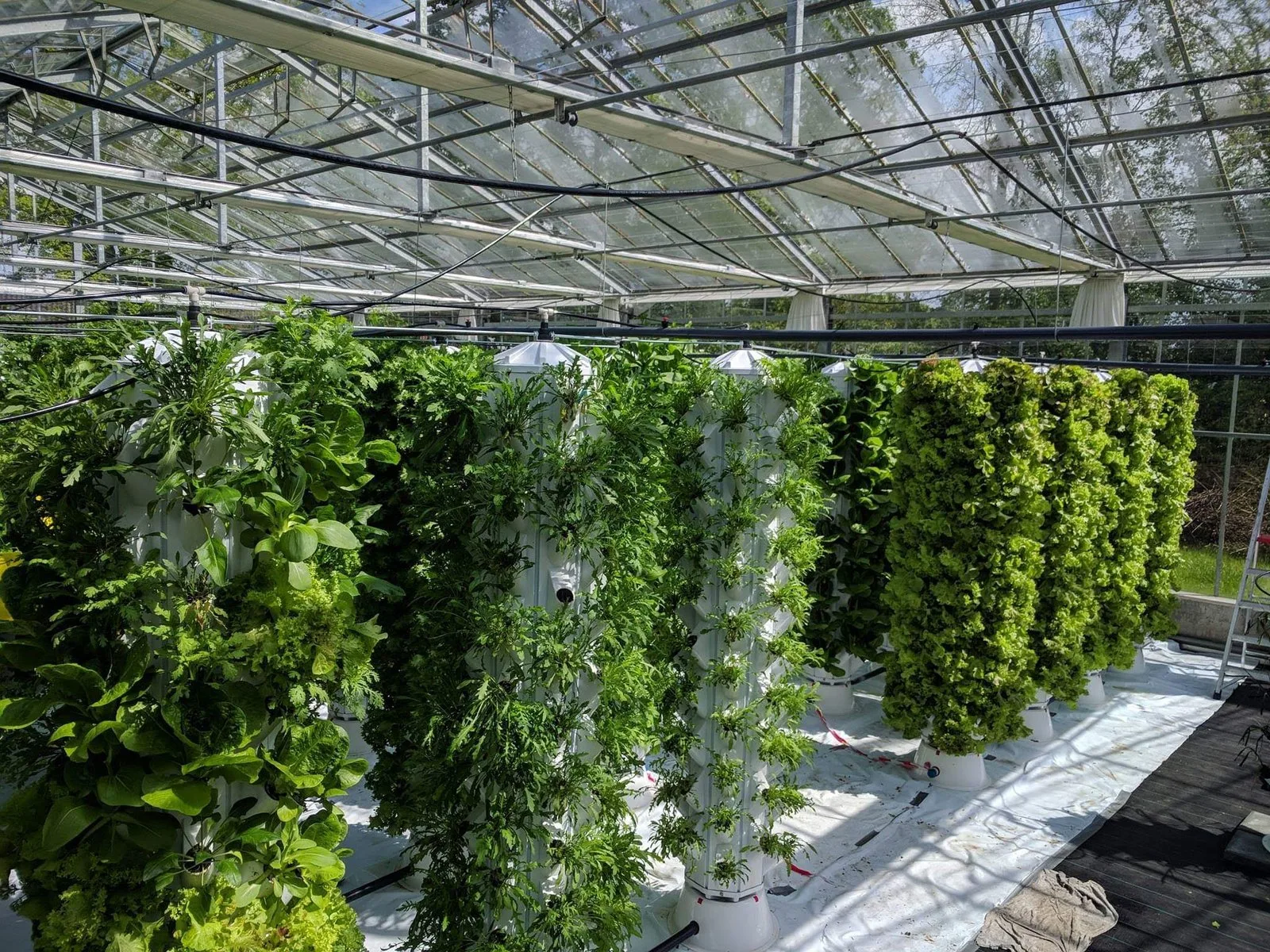
The compounding return
Replaced imports, premium farm-to-table revenue, higher project value and ESG returns — earning at the same time, year-round.
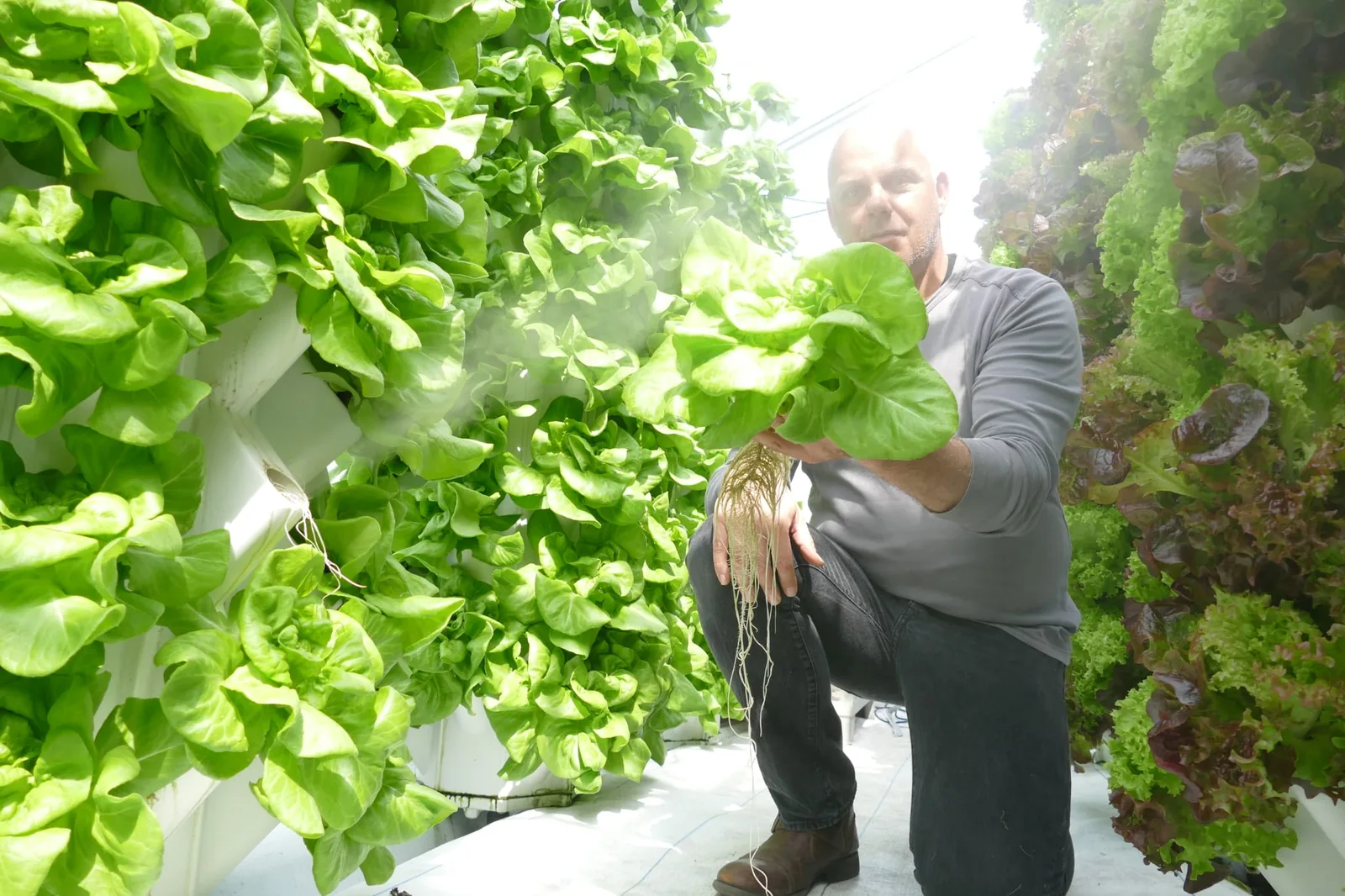
Your numbers, not averages
Every project gets its own numbers
What a property saves depends on where it is and what it pays for produce today — an island resort flying in herbs weekly and a city hotel buying locally are not the same case. We build yours on your real costs rather than publishing an average that would fit neither.
- Crop mix and projected yields for your climate and menus
- Import-replacement value at your local produce prices
- Experience and premium-revenue potential for your property
- Water and energy profile, with ESG reporting figures
- Investment and operating costs, built on your own produce invoices
What the numbers look like
Yield you can pick up
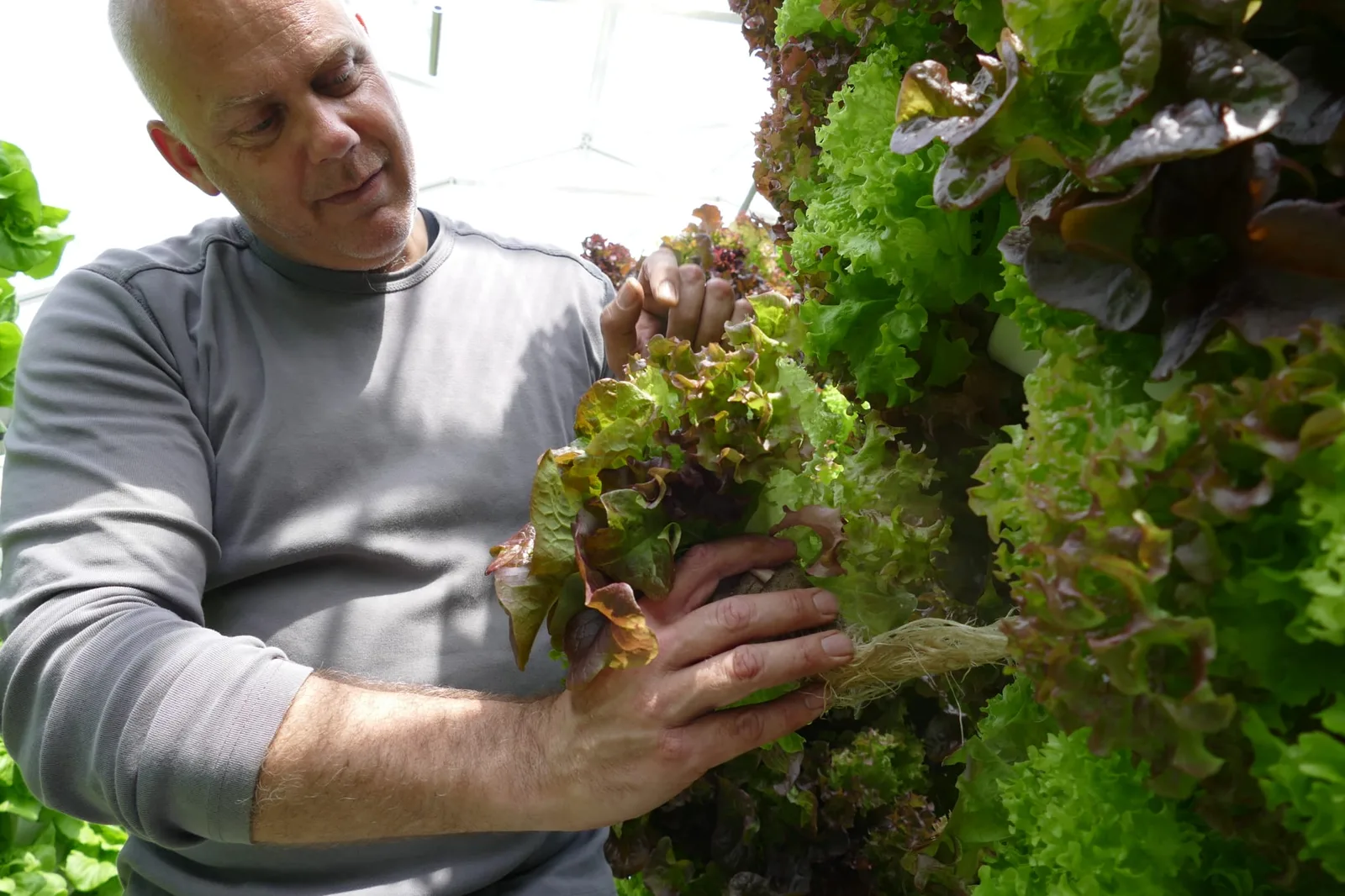
Tell us about your property.
Tell us about your project and we’ll come back with a tailored plan — the crop mix, the experience and the numbers, from first sketch to first harvest.
Start here
Tell us about your property
No obligation — a tailored plan and numbers for your project.